Improved medical imaging is usually considered to be more precise images. However, the fact is that radiology that is useful has an even greater function. The most important thing to consider is whether a radiology examination gives the information needed for specific medical conditions.
When a patient is examined for a prostate or breast problem the diagnostic criteria are very different. Modern radiology can take into account the different characteristics of patients by using several imaging techniques rather than a single scanner that covers all scenarios.
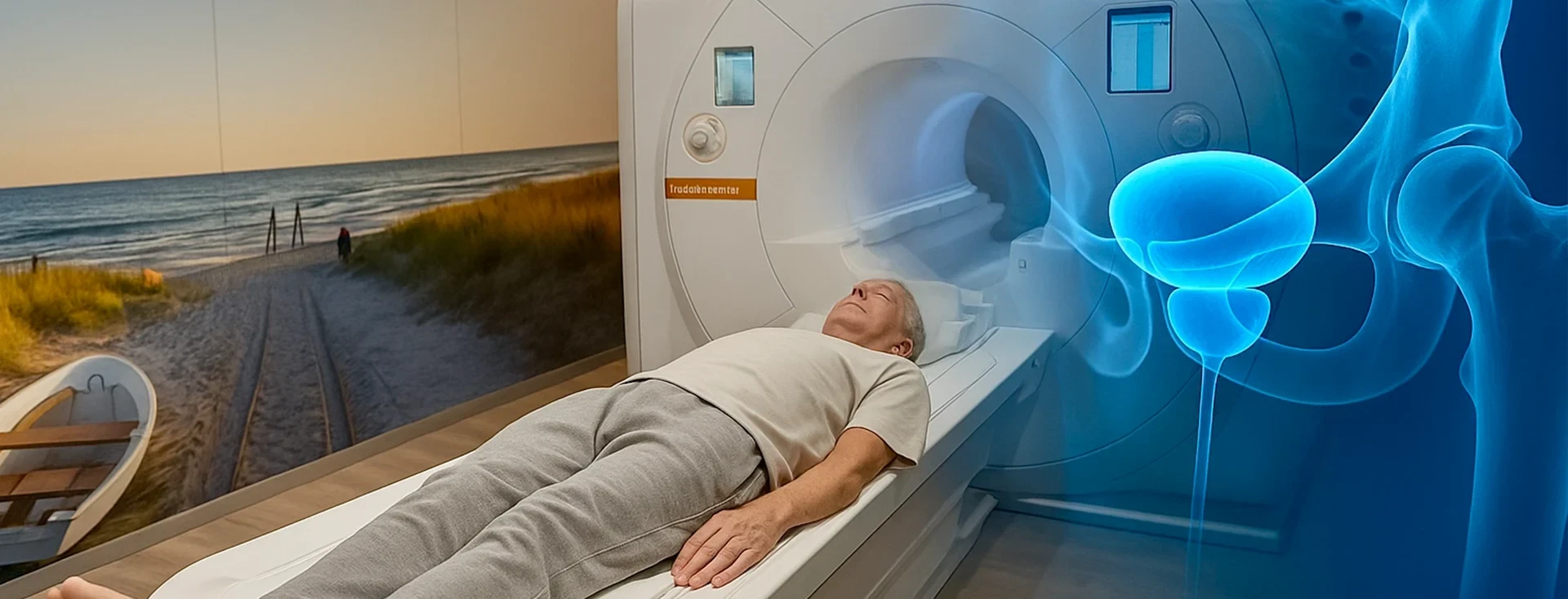
Image credit: diagnostikzentrum-wolfsburg.de
Patients can take advantage of a broad range of diagnostic services and imaging-guided procedures at the Wolfsburg Diagnostic Center.
Different parts of the body manifest themselves in different ways
The appearance of bones, soft tissue organs, joints and soft tissue will vary depending on the imaging method used.
Magnetic resonance imaging is particularly helpful when a detailed view of soft tissue structures is needed. The Wolfsburg Diagnostic Center uses two 1.5 Tesla MRIs to examine the brain, spines, joints, internal organs, and soft tissues.
MRI doesn’t use X-rays. The center also provides more focused examinations, including prostate MRI and whole-body MRI in cases of medically necessary.
The most practical advice for patients is easy: the term “MRI” refers to the technology, however the medical condition determines how that technology is used.
CT Offers a Different Kind of Points of View
In the field of diagnostic medicine, CT performs an important role. CT utilizes X Rays to produce precise cross-sectional body pictures. In the Wolfsburg Diagnostic Center the examinations are carried out using low-dose technologies that are designed to decrease radiation exposure while maintaining the high-quality images needed for evaluating.
The appropriate imaging method is determined based on the individual clinical situation. The more advanced sounds do not automatically suggest more appropriate.
Digital X ray remains relevant
With MRI and CT getting lots of attention, conventional X-ray imaging can sometimes seem outdated. The digital X ray of today tells a very different story.
Digital systems are still a common way to examine bones and skeletal structures. Modern equipment incorporates high-resolution images with methods designed to reduce radiation exposure. Click here to learn more MRT Wolfsburg
In other words, newer technologies have broadened the range of radiologists’ options rather than merely substituting every technique that came before them.
Breast Imaging: The Value of Specific Treatment
Breast diagnostics is another type of an image that is specialized. The center provides mammography including 3D mammography, tomosynthesis and other forms as also breast ultrasound. These technologies provide different forms of information on imaging, and can be used based on the specific medical conditions of the patient.
Radiology is built on the same premise: understanding what needs to studied is the key to effective imaging.
Imaging can be used to guide the treatment
The scope of radiology isn’t only limited to identifying or observing abnormalities. The Wolfsburg Diagnostic Center performs CT guided periradicular therapy (PRT) that uses CT images guide the procedure. Low-dose radiation therapy is an additional available treatment option.
These examples show how imaging technology can take us beyond the realm of observation and be used in precisely directing the medical treatment.
Focusing on a specific question with the utmost precision
Modern diagnostic centers are not determined by the amount of machines they have. Its importance is in applying the correct technology to an identified medical need and having experienced specialists examine the images that result.
Patients can gain access to specialist healthcare and a variety of radiological exams during private consultation time.
It’s not about just creating more images. The aim is to produce information that is clinically relevant and will help doctors and patients better grasp the medical problem that is being studied.